

Direct Booking Strategy Guide for STR Hosts

A guest who stays with you once should not have to search Airbnb, scroll past competitors, and pay marketplace fees to find you again. That is the real opportunity behind a direct booking strategy guide: turning a good stay into an owned guest relationship, without creating a clunky system that costs more time than it saves.
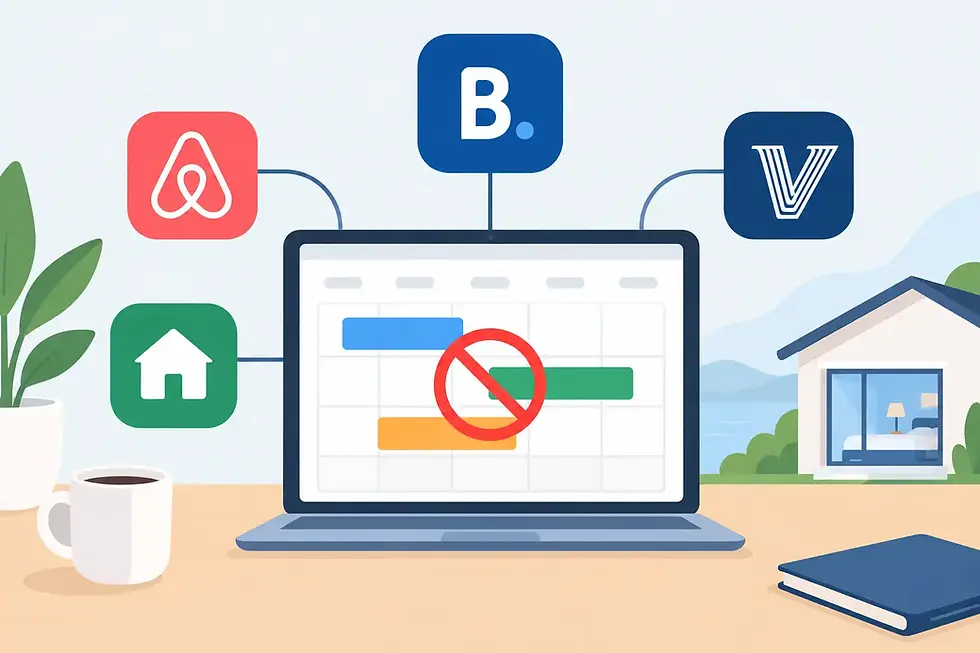
Direct bookings are not a replacement for Airbnb, Vrbo, or Booking.com. For most hosts, OTAs are still powerful discovery engines. The smarter play is to use them to win first-time visibility while building the systems that earn repeat stays, referrals, and higher-margin reservations over time.
What a Direct Booking Strategy Actually Does
A direct booking strategy is the operating system behind your direct channel. It includes how guests find your site, why they trust it, how they book, what happens after checkout, and how you bring the right guests back.
A basic website with a booking button is not enough. If your calendar is inaccurate, your rate plan is confusing, or your confirmation process feels less professional than an OTA, guests will abandon the booking. Worse, they may book through a marketplace anyway because it feels safer.
Your direct channel needs to match the reliability guests expect from major platforms while giving them a clear reason to book with you. That reason does not have to be a deep discount. In many cases, a small value add, flexible timing when available, or a better local experience protects your rate integrity far better than cutting price.
Build the Direct Booking Foundation Before Driving Traffic
Many hosts spend money on social ads before their booking path is ready. That creates expensive clicks and little else. Start with the operational pieces that prevent lost revenue and guest confusion.
Your property management system, channel manager, calendar, and pricing rules must communicate accurately. A direct guest should see the same availability you have elsewhere, receive a clear total price, and get an immediate confirmation. If your tools do not support real-time availability, secure payments, automated messaging, and documented guest agreements, fix that before you promote the site.
Your website should answer the questions a cautious guest asks in under a minute: Is this property real? Is it available for my dates? What will I pay? What happens if plans change? Who do I contact if I need help?
Trust signals matter because direct guests do not have the platform’s brand standing behind the transaction. Show current property photos, specific amenity details, verified guest reviews where permitted, transparent policies, and a real support contact. Avoid vague descriptions such as “luxury getaway” without proof. Guests book specifics: walkable location, fenced yard, dedicated workspace, lake access, parking, family setup, or proximity to an event venue.
Keep Your Offer Simple
A direct-booking incentive should be easy to understand and financially controlled. You might offer a repeat-guest rate, an earlier check-in when the cleaning schedule allows, a local welcome item, or a direct-only add-on such as a pet package. The goal is not to give away your profit. It is to make booking direct feel worthwhile.
Do not publish a rate that undercuts every OTA by 15% just because you avoid marketplace fees. That can create channel conflict, train guests to wait for discounts, and reduce your ability to use pricing strategically during high-demand periods. A better approach is to maintain sensible public pricing and reserve selective benefits for guests who book directly or return to your portfolio.
The Direct Booking Strategy Guide: Start With Past Guests
Your most valuable direct-booking audience is usually not cold traffic. It is the guest who already knows the home, had a five-star stay, and may return for the same annual trip. A host with 100 prior guests has a warmer starting point than a host buying ads to reach 10,000 strangers.
The key is permission-based follow-up. Collect guest contact information appropriately, honor communication preferences, and follow applicable privacy and marketing rules. Your post-stay workflow should not end when the review request goes out. It should create a measured retention sequence.
After a strong guest experience, send a genuine thank-you message. Later, share a useful reason to return: next season’s availability, a local festival, ski dates, beach weather, a family reunion window, or a new property that fits a different group size. The message should feel relevant, not like a desperate vacancy blast.
Segmenting makes this work. A family who visited during spring break needs different timing than a couple who booked a fall weekend. A corporate traveler may value reliable Wi-Fi and monthly availability, while a group celebrating a birthday may care about sleeping capacity and dining options. You do not need an enterprise marketing department. You need clean guest records and a consistent process.
Create a Conversion Path That Does Not Leak Bookings
Every direct reservation has a path: a guest sees your property, checks dates, compares options, asks questions, and pays. Map that path as if you were a first-time guest with no prior knowledge of your business.
Start by testing the booking flow on mobile. Most guests will not pull out a laptop to reserve a weekend stay. Check load speed, date selection, fee visibility, payment options, and confirmation emails. If any step creates uncertainty, it can cost a booking.
Then review your inquiry response system. Not every guest will book instantly. Some will ask whether a pool is heated, if the driveway fits two SUVs, or whether the property is suitable for a toddler. Fast, accurate answers are a competitive advantage. Build saved responses for common questions, but customize enough that guests know a real operator is paying attention.
Your direct booking flow should also protect the business. Require the right guest agreement, verify guests when appropriate for your market and risk profile, collect deposits or damage protection according to your policy, and document house rules before arrival. Direct revenue is only better revenue if the reservation is operationally sound.
Use Content to Capture High-Intent Searches
A property website should not rely only on the home page. Create useful pages around how guests actually search. That may include neighborhood guides, event calendars, seasonal trip planning, pet-friendly travel details, or pages for larger groups and extended stays.
The goal is not to publish generic travel content every week. It is to own specific, high-intent reasons someone would choose your location and property. If your cabin is close to a popular wedding venue, answer the lodging questions wedding guests have. If your home is built for traveling nurses or remote workers, show the workspace, internet setup, parking, and monthly-stay process clearly.
This approach takes time, and it will not fill next weekend’s vacancy by itself. Paid ads and email can move faster. But useful location-specific content compounds, while one-time ad spend stops producing the moment you turn it off.
Measure More Than Direct Booking Revenue
Hosts often celebrate a direct reservation without asking whether the channel is working efficiently. Track direct booking share, conversion rate, repeat-booking rate, average lead time, average daily rate, acquisition cost, and cancellation rate. Also compare direct guests with OTA guests on damage claims, support requests, length of stay, and review quality.
These numbers tell you where the real problem is. High website traffic with low conversions points to a trust, pricing, or booking-flow issue. Strong conversions but weak traffic means your distribution needs work. A high repeat rate with low direct bookings may mean guests love the home but do not know how to find or book you after checkout.
For new hosts, build the direct channel in stages. Get the listing, automation, pricing, and guest experience stable first. Then launch a clean booking site and retention workflow. Established operators can move faster, but they still need a controlled test rather than a full marketing sprint built on messy data.
Rare Rentals’ Zero to Super-Host STR Toolkit is designed for hosts who want the operational templates, guest communication systems, and revenue-focused workflows behind that kind of growth without spending months building every process from scratch.
A direct booking channel is not about declaring independence from OTAs. It is about making sure every great guest experience creates an asset your business can keep, learn from, and earn from again.


Comments